
Exploring the cultural significance of gambling A deeper look into traditions and rituals
The Historical Roots of Gambling
Gambling has woven its way through the fabric of human civilization for centuries, reflecting cultural norms and societal structures. Historically, evidence suggests that as far back as ancient China, people engaged in games of chance using rudimentary forms of dice. Archaeological findings indicate that gambling was an integral part of various rituals, often used to predict the future or make significant decisions. This intertwining of fate and chance has led to gambling’s deep-rooted significance across different cultures. In today’s online landscape, platforms like https://pokiesville-australia.com/welcome-bonus/ allow players to explore these historical connections in a modern setting.

In ancient Rome, gambling was not only a pastime but a reflection of social status. The elite participated in games such as dice and betting on chariot races, often in exclusive venues. This illustrates how gambling served both as entertainment and a means of showcasing wealth and influence. Such practices laid the groundwork for modern gambling establishments, showcasing how cultural perceptions can evolve while retaining the core essence of chance and risk.
As societies advanced, so did the methods and forms of gambling. The Renaissance saw the emergence of card games in Europe, further popularizing the concept of risk and reward. Gambling evolved from simple games into intricate systems with established rules, reflecting societal changes and technological advancements. Thus, the historical evolution of gambling highlights its continual adaptation and significance within diverse cultural contexts.
Cultural Traditions Surrounding Gambling
Cultural traditions often dictate how communities engage with gambling, adding layers of meaning to the activity. For instance, in many Indigenous cultures, games of chance are intertwined with spiritual beliefs. Rituals that involve gambling serve not only as entertainment but as a means to connect with ancestral spirits or deities. These practices often reinforce social cohesion and communal identity, illustrating how gambling can transcend mere chance and become a vehicle for cultural expression.
In Asian cultures, festivals are frequently marked by games of chance. The Lunar New Year, for example, features various forms of gambling, symbolizing prosperity and good fortune for the upcoming year. The act of betting during such celebrations is often steeped in tradition, signifying hope and communal well-being. This demonstrates how gambling can be incorporated into cultural rituals, transforming it from a solitary activity into a collective experience that strengthens community bonds.
Moreover, gambling traditions often come with specific etiquettes and rules that vary across cultures. For example, in some cultures, it is customary to pay respect to the “house” or dealer, reflecting a deep-seated reverence for the institution of gambling. Understanding these cultural nuances is essential for anyone wishing to participate in gambling activities in a respectful and informed manner, highlighting the importance of context in the practice of gambling.
The Psychological Aspect of Gambling
The psychological underpinnings of gambling reveal much about human behavior and societal norms. The thrill of taking risks and the possibility of winning can trigger dopamine release, creating a sense of excitement that many seek to replicate. This psychological aspect has been harnessed in many cultures, where games of chance serve as a way to escape reality or cope with stress. Such motivations underline why gambling holds a special place in various societies, where it is often seen as a form of entertainment rather than merely a financial risk.
Furthermore, gambling often intersects with social rituals, acting as a facilitator for social interaction. In many cultures, gathering around a gaming table can foster relationships, acting as a bonding experience among friends and family. The shared thrill of the game can create lasting memories and strengthen social ties, showcasing how gambling can be a positive social force despite its potential pitfalls. This duality of gambling reflects the complex interplay between enjoyment and risk, emphasizing its multifaceted role in human interaction.
Additionally, gambling can also serve as a reflection of cultural values concerning luck and fate. Many cultures hold specific beliefs about luck and its influence on outcomes, and this belief system can often dictate how individuals approach gambling. This psychological framework not only shapes personal attitudes toward gambling but also influences societal perspectives, often leading to broader discussions about morality, responsibility, and chance.
The Impact of Modern Gambling Culture
In contemporary society, gambling has been transformed by technological advancements, leading to the rise of online gambling and virtual casinos. This modern iteration has opened doors for accessibility and participation across global platforms. However, this shift also raises questions about responsible gaming practices and the societal implications of gambling addiction. The cultural acceptance of gambling has evolved, with some communities viewing it as a legitimate form of entertainment while others remain cautious due to potential negative impacts.
Moreover, the commercialization of gambling has led to increased visibility and acceptance within mainstream culture. Films, music, and literature often glamorize gambling, shaping public perceptions and desires. This portrayal can have both positive and negative effects, potentially influencing individuals’ attitudes toward risk-taking and their understanding of gambling’s cultural significance. Balancing this visibility with responsible practices is essential to ensure that gambling remains a safe and enjoyable activity.
In this modern landscape, understanding the cultural significance of gambling requires a nuanced approach that considers both historical contexts and contemporary trends. As gambling continues to evolve, it will remain a dynamic reflection of societal values, revealing deeper insights into human behavior, relationships, and cultural identity.
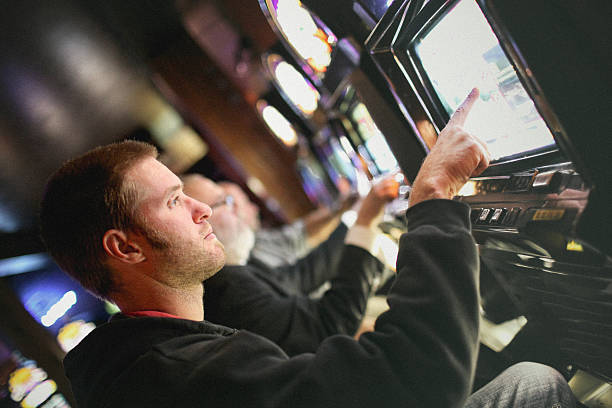
Experience Responsible Gambling at Pokiesville
At Pokiesville, we recognize the importance of cultural significance in gambling while advocating for responsible gaming practices. Our platform offers a wide variety of games that cater to different tastes and preferences, ensuring that players find something that resonates with them. With user-friendly features and instant payment options, we aim to create an enjoyable experience that respects the cultural nuances of gambling while promoting responsible play.
We believe that understanding the cultural implications of gambling is essential for a fulfilling experience. That’s why we provide supportive tools to help players maintain control and enjoy gaming responsibly. Our mission is to ensure that everyone can engage with gambling in a way that aligns with their values and cultural context, enhancing the overall gaming experience.
Join us at Pokiesville to explore a fun, fair, and culturally rich gaming environment. We are dedicated to providing not only entertainment but also a space where players can feel informed, respected, and engaged in a responsible gambling community.